
Starting a home workout routine doesn’t require a fully equipped gym or expensive machines. With a small amount of space and a few simple tools, anyone can begin building strength, improving mobility, and increasing overall fitness. The key is understanding how to use minimal equipment effectively while staying consistent.
Why Minimal-Equipment Workouts Are Effective
Minimal-equipment workouts focus on functional movement and body control. Instead of relying on machines, you train your muscles to work together, which improves balance, coordination, and real-world strength. This approach is ideal for beginners because it reduces complexity and helps you learn proper movement patterns early on.
Another advantage is accessibility. When workouts are simple and convenient, you’re more likely to stick with them long-term.
Essential Equipment for Home Workouts
You can start with little more than your body weight, but adding one or two tools can significantly expand your exercise options. A yoga mat improves comfort, while resistance bands provide adjustable challenge.
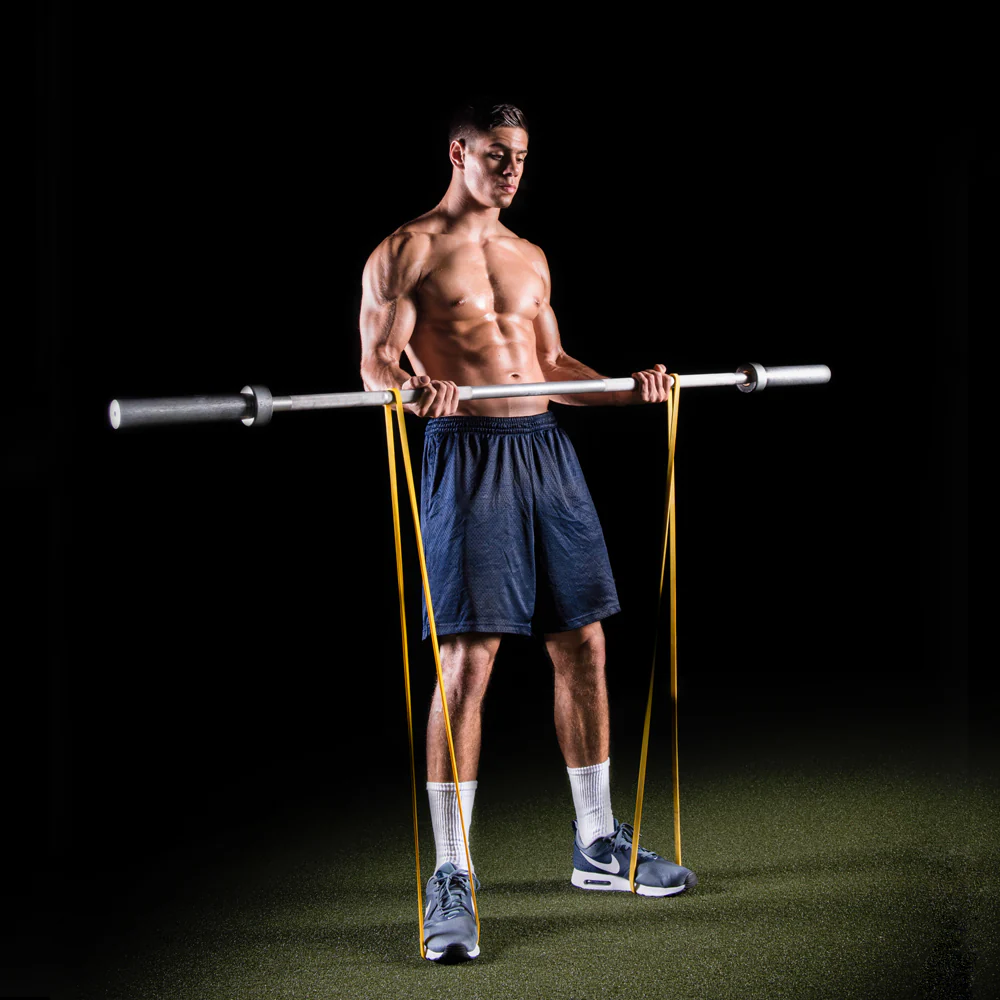
Pull-up resistance bands are especially useful because they support both strength training and mobility work. They allow beginners to modify exercises by adding assistance or resistance, making movements like rows, presses, and squats more adaptable. Learning how to pull up resist your body weight with bands helps bridge the gap between beginner and advanced exercises.
Best Exercises to Do at Home
A well-rounded home workout targets the upper body, lower body, and core:
-
Lower body: Squats, step-backs, and hip hinges
-
Upper body: Push-ups, band-assisted rows, and shoulder presses
-
Core: Planks, seated twists, and band pull-aparts
These exercises require minimal space and can be adjusted to suit your current fitness level.
How to Build a Simple Weekly Routine
For beginners, aim for three workouts per week. Each session can last 20–30 minutes and include 5–6 exercises performed for 2–3 sets. Focus on slow, controlled repetitions and proper breathing.
Using pull-up resistance bands allows you to gradually increase difficulty without jumping too quickly into advanced movements. Over time, your ability to pull up resist external force will improve, leading to greater strength and confidence.
Staying Motivated and Consistent
Consistency matters more than intensity when starting out. Choose a workout schedule that fits your lifestyle and remove as many obstacles as possible. Lay out your equipment in advance and track your progress, even if improvements feel small.
Final Thoughts
Working out at home with minimal equipment is practical, effective, and sustainable. By focusing on simple exercises, smart programming, and versatile tools like pull-up resistance bands, you can build a strong fitness foundation without ever stepping into a gym.


