
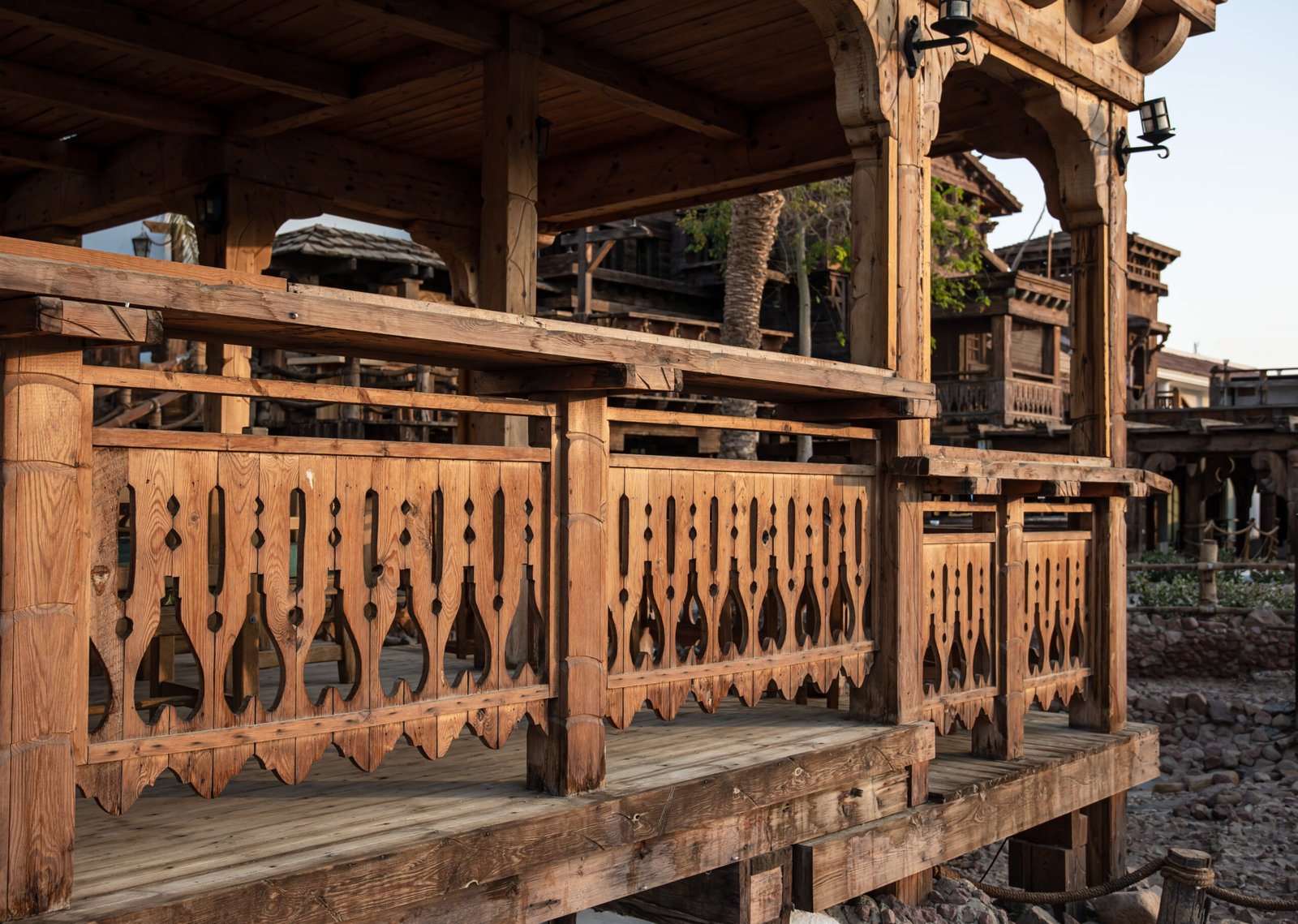
Wooden heritage structures—such as old buildings, temples, museums, furniture, and historical monuments—carry cultural, architectural, and historical value. Over time, these structures are highly vulnerable to insect infestation, especially from termites, wood-boring beetles, and larvae. Preserving them requires methods that are effective yet non-destructive. Shashel technology, based on controlled microwave treatment, is increasingly used in conservation work because it removes pests without damaging original materials or altering historical authenticity.
Non-Invasive Pest Elimination
One of the biggest advantages of Shashel technology in heritage preservation is that it does not require dismantling or drilling into wooden structures. The system uses microwave energy to heat wood internally, eliminating pests where they live without physically altering the structure.
This is especially important for heritage sites because:
- Original wood must remain intact
- No structural disassembly is allowed
- Historical authenticity must be preserved
By treating wood in place, Shashel allows conservation without physical intervention.
Chemical-Free Conservation Approach
Traditional pest control methods often rely on chemical fumigation or surface sprays. In heritage structures, these chemicals can leave residues, discolor wood, or react with old finishes.
Shashel avoids these risks completely by using only electromagnetic energy. This ensures:
- No chemical residue on historical surfaces
- No long-term material contamination
- No damage to antique coatings or paint layers
This makes it suitable for museums, archives, and protected monuments.visit Shashel
Deep Penetration into Thick Wooden Elements
Heritage structures often contain thick beams, carved wood, and layered wooden assemblies where pests can hide deep inside. Surface treatments are usually ineffective in such cases.
Shashel technology uses microwave energy that penetrates deeply into wood and generates heat internally. This allows it to:
- Reach hidden infestations inside beams
- Treat carved or dense wooden structures
- Eliminate pests without surface disruption
This deep reach is essential for preserving complex architectural woodwork.
Complete Elimination of Wood-Boring Insects
A major threat to heritage wood is the presence of insects in different life stages, including eggs, larvae, and adults. If even a few survive, infestation can continue and spread.
Shashel helps by raising internal wood temperature to around 55°C–60°C, which is lethal to all pest stages when properly maintained. This ensures:
- Full eradication of hidden larvae
- Destruction of eggs inside wood
- Prevention of reinfestation cycles
This is critical for long-term preservation of historical structures.
Protection of Structural Integrity
Heritage conservation requires that original materials remain structurally sound. Excess heat or chemical exposure can weaken wood, cause cracking, or damage carvings.
Shashel systems use controlled heating to ensure:
- No overheating of sensitive wood
- Preservation of original strength
- Protection of decorative elements and carvings
This balance between effectiveness and safety is essential in conservation projects.
Preservation of Aesthetic and Historical Value
Heritage wood is not just structural—it is also artistic. Many old buildings contain intricate carvings, finishes, and decorative elements that must be preserved.
Shashel technology supports this by:
- Avoiding surface damage or abrasion
- Preserving original textures and finishes
- Maintaining historical authenticity
This makes it suitable for culturally significant artifacts and buildings.
Reduced Need for Structural Alteration
Many traditional pest control methods require opening walls, removing beams, or injecting chemicals into wood. These interventions can permanently alter historical structures.
Shashel minimizes such interventions by:
- Treating wood in its original position
- Reducing the need for invasive repair work
- Preserving architectural integrity
This is a major advantage in conservation ethics, where minimal intervention is preferred.
Safe Use in Occupied or Protected Sites
Heritage sites are often open to visitors or located in urban environments. Chemical treatments may require evacuation or pose health risks.
Because Shashel uses no chemicals, it is:
- Safe for controlled use in occupied buildings
- Suitable for museums and public heritage sites
- Free from toxic fumes or residues
This makes treatment more practical and less disruptive.
Long-Term Protection and Reduced Reinfestation
By eliminating pests at all life stages, Shashel reduces the likelihood of reinfestation. This is especially important for heritage preservation, where repeated damage can be irreversible.
Benefits include:
- Long-term stability of treated wood
- Reduced need for repeated interventions
- Better protection of cultural assets over time
Limitations in Heritage Applications
Despite its advantages, Shashel technology has some limitations:
- Very thick or dense structures may require longer treatment
- Uneven moisture content can affect heating consistency
- Requires skilled professionals for precise application
- Large monuments may need phased treatment strategies
These factors require careful planning in conservation projects.
Conclusion
Shashel technology plays an important role in preserving wooden heritage structures by offering a non-invasive, chemical-free, and highly effective pest control solution. Its ability to eliminate insects deep inside wood while maintaining structural integrity makes it ideal for sensitive historical environments. By combining precision heating with conservation-friendly methods, Shashel helps protect cultural heritage while ensuring long-term durability of wooden structures.