
Introduction
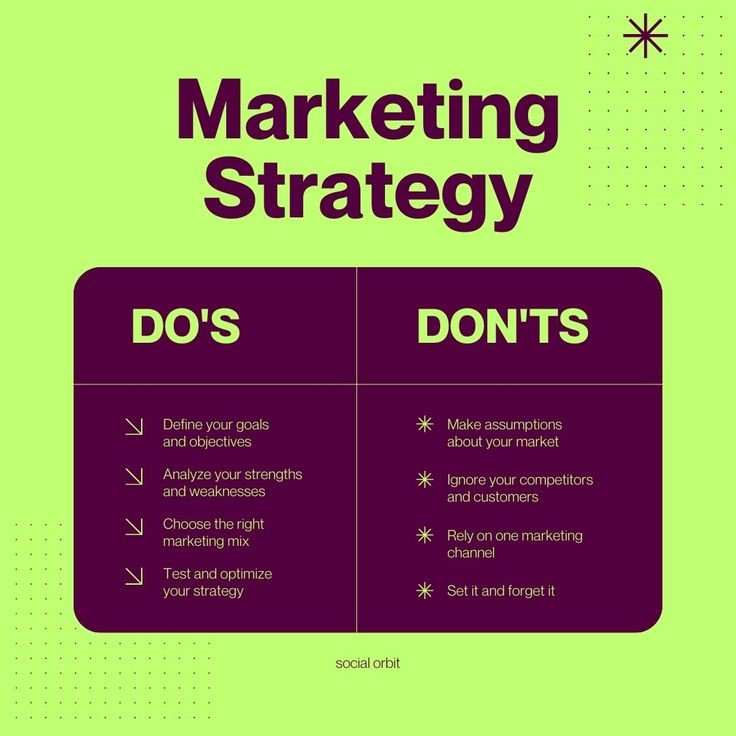
In the fast-paced world of business, marketing has evolved into a complex and multifaceted discipline. No longer confined to traditional advertising, modern marketing encompasses everything from social media strategies to data-driven decision-making, all aimed at creating deep, lasting relationships with customers. The landscape is dynamic, with consumer preferences and technology constantly shifting. For businesses to thrive in such an environment, staying ahead of trends and employing smart, efficient strategies is crucial.
This article explores the current state of marketing, key strategies that lead to success, and future trends that businesses should keep an eye on to stay competitive in the market. Whether you’re a small business owner, a marketing professional, or an entrepreneur, understanding these strategies will empower you to make informed decisions that contribute to growth and brand awareness.
Understanding the Consumer Journey
In today’s marketing environment, understanding the consumer journey is one of the most important aspects of creating successful campaigns. The consumer journey refers to the path customers take from the moment they first hear about a product or service to the point where they make a purchase—or become a loyal repeat customer.
The journey typically includes three key stages: awareness, consideration, and decision. However, with the rise of digital platforms and the increasing importance of personalization, this journey is not as linear as it once was. Consumers are constantly researching, reviewing, and interacting with brands across multiple touchpoints.
Opportunities:
-
Personalization: Tailoring your marketing messages based on customer behavior helps to move them from awareness to consideration and, ultimately, to conversion.
-
Omnichannel Approach: Customers interact with brands across various channels, so marketing strategies need to be integrated across platforms for seamless experiences.
Challenges:
-
Complex Path to Purchase: With the proliferation of digital touchpoints, tracking the exact path of a consumer can be difficult, and this complexity requires more sophisticated data analysis.
-
Data Privacy Concerns: The increasing collection of consumer data raises privacy issues, and businesses need to balance personalization with responsible data use.
The Role of Content Marketing
Content marketing has become a cornerstone of modern marketing strategies. Unlike traditional advertising, which often focuses on promoting products directly, content marketing provides value to consumers by offering useful, educational, or entertaining information that builds trust and establishes authority.
Blog posts, videos, social media updates, podcasts, and infographics are just a few examples of content that can engage and inform an audience. Great content helps to create relationships by positioning your brand as a knowledgeable resource that addresses customer pain points and provides solutions.
Opportunities:
-
Brand Authority: High-quality content can establish your brand as a thought leader in your industry, attracting more customers.
-
SEO Benefits: Content marketing not only engages audiences but also boosts search engine rankings, improving visibility and driving organic traffic.
Challenges:
-
Consistency: Maintaining a steady flow of valuable, relevant content can be time-consuming and resource-intensive for teams.
-
Audience Fragmentation: Tailoring content to diverse audience segments requires detailed understanding of customer personas, which can take time to develop and manage.
Leveraging Social Media for Growth
Social media has transformed how brands communicate with their audiences. With billions of active users across platforms like Instagram, Facebook, Twitter, LinkedIn, and TikTok, social media marketing has become indispensable for businesses of all sizes. These platforms provide a unique opportunity for brands to connect with their target audience in a more personal, direct, and engaging way.
Successful social media marketing goes beyond just posting content. It involves building a community, engaging with followers, and creating interactive experiences. Additionally, the rise of influencer marketing has helped brands reach new, engaged audiences through trusted individuals who align with their values.
Opportunities:
-
Brand Awareness: Social media offers unparalleled visibility, allowing brands to engage with a global audience and raise awareness.
-
Community Engagement: By engaging in conversations and creating content that resonates, brands can build loyal communities that support them.
Challenges:
-
Platform Algorithms: Social media platforms frequently update their algorithms, which can impact the organic reach of your content.
-
Time Sensitivity: Social media trends evolve rapidly, and businesses must stay current with the latest shifts to remain relevant and engaging.
Data-Driven Marketing: The Power of Analytics
In the digital age, data is king. With the advent of tools that track customer behavior, marketers have access to a wealth of insights that can inform decisions and shape strategies. From website traffic to social media engagement and email open rates, data allows businesses to measure the effectiveness of their campaigns and optimize them for better results.
Using data effectively means going beyond just tracking numbers. It’s about interpreting data to identify trends, understand customer needs, and make informed decisions. Predictive analytics, powered by artificial intelligence and machine learning, takes data-driven marketing to the next level by forecasting future trends and behaviors.
Opportunities:
-
Improved ROI: Data allows businesses to optimize marketing spend by identifying the most effective channels, campaigns, and strategies.
-
Better Customer Targeting: By analyzing data, marketers can create highly personalized campaigns that resonate with specific segments of their audience.
Challenges:
-
Data Overload: With so much data available, businesses must be able to extract meaningful insights without getting lost in the noise.
-
Data Privacy Regulations: Marketers must stay informed about privacy laws such as GDPR to ensure responsible data collection and usage.
Email Marketing: The Timeless Strategy
Despite the rise of social media and other digital marketing tactics, email marketing remains one of the most effective ways to nurture customer relationships and drive sales. Email campaigns can be tailored to specific audience segments, providing personalized offers, news, or updates. With a return on investment (ROI) of around 42:1, email marketing continues to outperform many other forms of communication.
Successful email marketing involves segmentation, compelling copy, engaging visuals, and clear calls-to-action (CTAs). Automated email sequences, like welcome emails and cart abandonment reminders, help businesses stay top of mind and encourage repeat purchases.
Opportunities:
-
Personalized Outreach: By segmenting your email list and sending targeted messages, you can improve open rates and conversions.
-
Cost-Effective: Email marketing requires minimal investment while delivering high returns.
Challenges:
-
Deliverability Issues: Ensuring your emails land in the inbox rather than the spam folder requires careful attention to best practices.
-
List Maintenance: Keeping your email list clean and up-to-date is crucial to maintaining a high deliverability rate and engagement.
The Future of Marketing: Trends to Watch
As technology continues to evolve, so too does the marketing landscape. Here are some key trends to watch in the coming years:
-
AI and Automation: Artificial intelligence and machine learning will continue to play a pivotal role in automating marketing tasks, personalizing customer experiences, and enhancing decision-making.
-
Voice Search Optimization: With the growing popularity of voice-activated devices, optimizing content for voice search will become increasingly important.
-
Sustainability Marketing: Consumers are becoming more conscious of environmental issues, and brands that emphasize sustainability and social responsibility will likely see increased loyalty.
-
Interactive Content: Interactive content such as quizzes, polls, and AR experiences will engage customers more deeply, offering personalized experiences that increase brand affinity.
Conclusion
Marketing is an ever-evolving field that requires businesses to stay informed about the latest trends and technologies. While traditional strategies still hold value, the rise of digital tools and platforms has opened new avenues for growth and engagement. By focusing on understanding the consumer journey, utilizing data, embracing new technologies, and creating compelling content, businesses can build strong, lasting relationships with their customers. The future of marketing is bright for those who are adaptable, creative, and willing to embrace change.